







Search Results for: cold brew making method
The Standard Method for Cold Brew Coffee: Grind Size Parameters, Benefits, and Differences from Iced Coffee
For more specialty coffee knowledge, please follow: Front Street Coffee (Frontsteet Coffee) There are many ways to make delicious iced coffee (types of iced coffee). From the more elaborate cold drip, to the quickest iced coffee pour-over; and the easy-to-make, and widely mainstream cold brew method. The cold brew method has many names, C [more…]

What Does Cold Brew Coffee Mean? Low-Temperature Extraction Principles, Yirgacheffe Cold Brew Method, and Practical Tips
Cold brew coffee has become increasingly popular in recent years. It involves steeping coffee grounds in cold or ice water for an extended period, resulting in a purer, gentler extracted flavor. From the perspective of Front Street Coffee, this article introduces the definition and origins of cold brew coffee, its differences from ice drip coffee, and specific parameters for making cold brew at home. The article also uses Yirgacheffe as an example to explain how to choose coffee beans suitable for cold brew, and provides practical suggestions on grind size, coffee-to-water ratio, and extraction time, helping coffee enthusiasts easily make a smooth and sweet cup of cold brew at home. [more…]
Cold Brew Coffee | How to Make Super Sweet Cold Brew Coffee in a Short Time? What Is the Flavor Difference Between Pressure Cold Brew and Immersion Cold Brew?
Cold brew coffee, put simply, is coffee extracted with cold water. Because it is very easy to make and has outstanding flavor and mouthfeel, cold brew coffee has always been a favorite that most people keep on hand at home. But cold brew coffee is not without its drawbacks; for example, the long time required to make it is [more…]

Cold Brew Single-Origin Bean Recommendations | How Can Coffee Newbies Make Cold Brew Coffee at Home? What Are the Benefits of Cold Brew Coffee? Are Cold Brew Coffee Bags Easy to Use?
There are many ways to make delicious iced coffee (types of iced coffee). From the more elaborate cold drip and the quickest iced coffee pour-over, to the easy-to-make and mainstream cold brew method. Cold brew has many names, such as Cold Brew (the English term for cold brew coffee), cold brew coffee, cold extracted coffee, cold extraction coffee, and so on, referring to [more…]

The historical origins and flavor characteristics of cold brew coffee, and a complete method for making cold brew at home
On a summer morning, a glass of ice-cold, smooth cold brew is often the key to starting a perfect day. How does cold brew differ from hot coffee in flavor? Its history can be traced back to the maritime experiments of Dutch sailors in the seventeenth century, and it later spread to Japan, where the ice drip pot was developed. Cold brew, through long low-temperature immersion, reduces bitterness and astringency, and more faithfully presents the coffee bean's processing method and roast level. This article will guide you through the taste characteristics of cold brew, key storage points, and teach you step by step how to make cold brew at home, while also recommending several Front Street Coffee beans suitable for making cold brew, so you can easily enjoy refreshing floral and fruity notes and fermented wine aromas. [more…]

The Complete Guide to Making Cold Brew Coffee at Home: Comparing Three Practical Methods and Analyzing Why Cold Brew Carafes Lose Flavor
As temperatures climb, the demand for iced coffee rises along with them, and easy-to-make cold brew once again becomes a regular in home refrigerators. This article centers on the low-temperature extraction principle of cold brew coffee, explaining how it differs from high-temperature brewing in terms of temperature, time, and flavor expression, and provides core parameters such as coffee-to-water ratio, grind size, and steeping duration. For the three home methods—direct immersion, filter bag/tea bag immersion, and cold brew carafe—it analyzes the pros and cons one by one, especially explaining why cold brew carafes tend to produce weak, thin-bodied coffee with insufficient richness. At the same time, drawing on Front Street Coffee's various single-origin beans and blend options, it offers bean selection advice for different taste preferences. [more…]
Where Does Cold Brew Coffee Come From? Brewing Principles, Flavor Characteristics, and Single-Origin Bean Recommendations for Cold Brew
Cold brew drip coffee, with its unique cold condensation percolation extraction method, has become a beverage much favored by coffee lovers in summer. It boasts both a spectacular brewing apparatus and a pure, natural taste. This article will guide you through the origin story of cold brew drip coffee, its similarities and differences with the cold brew method, the extraction principles and flavor characteristics, as well as the key points in making it. At the same time, we will also recommend several single-origin coffee beans suitable for making cold brew drip coffee, including popular choices from the Front Street Coffee brand, to help you easily make a rich and smooth cup of cold brew drip coffee this summer. [more…]
Cold Brew Iced Coffee Powder-to-Water Ratio | What Is the Method for Making Cold Brew Coffee? Which Coffee Bean Origins Are Suitable for Brewing Cold Brew Coffee?
Many people distinguish cold brew coffee from iced coffee. The reason is that what we understand as iced coffee is made by extracting with hot water, then adding ice or chilling it, turning the coffee from a hot temperature into iced coffee—this is the traditional concept. The biggest difference with cold brew coffee is that it uses cold water throughout the entire process, obtaining the coffee liquid through low-temperature extraction. [more…]

Yirgacheffe Cold Brew | Where Does Cold Brew Coffee Come From? How to Make Cold Brew with Washed Yirgacheffe Coffee Beans? What Are the Cold Brew Ratio Parameters?
For more specialty coffee knowledge, please follow: Front Street Coffee (Frontsteet Coffee) In the hot summer, a glass of iced coffee is truly delightful, but now that autumn has arrived, will iced coffee still be so favored? Front Street tells everyone: absolutely! Because although the weather [more…]

How to Make Cold Brew Coffee at Home? How Starbucks Nitro Cold Brew Differs from Americano, Plus Five Front Street Coffee Bean Recommendations
In the heat of summer, a refreshing glass of cold brew coffee is the top choice for cooling off among many coffee lovers. Cold brew is simple to make—steep it before bed and it's ready to enjoy the next day. But what exactly is the difference between cold brew, Americano, and Starbucks Nitro Cold Brew? How can you make a delicious cold brew at home? This article will start with the extraction principles of cold brew, explain the taste advantages brought by low-temperature slow extraction, and break down in detail Front Street Coffee's cold brew production parameters and steps. Finally, we recommend five single-origin coffee beans suitable for making cold brew, covering Yirgacheffe, Kenya, Panama Butterfly, Costa Rica Mozart, and Honduras Sherry, to help you find your own cup of summer cold brew. [more…]

How to Make Delicious Cold Brew Coffee: A Full Breakdown of Grind Size, Coffee-to-Water Ratio, and Flavor Characteristics
In the height of summer, a glass of iced coffee always brings instant refreshment. Cold brew coffee, with its simple preparation and smooth taste, has become a favorite among many office workers. It requires no complicated techniques—just a bottle, a bag of beans, and a night of waiting, and the next day you can enjoy a rich, full-bodied iced coffee. So, what exactly is the difference between cold brew coffee and regular iced coffee? How fine should the grind be? What ratio of coffee to water is appropriate? And how should extraction temperature and time be managed? In this article, Front Street Coffee will systematically explain the brewing parameters, flavor characteristics, and storage methods of cold brew coffee, helping you easily make a delicious cup of cold brew. [more…]

Cold Drip, Cold Brew, and Iced Brew: A Detailed Guide to the Process Differences of Low-Temperature Coffee Extraction and Five Handcrafted Bean Selections
In the iced coffee family, there are many names—cold brew, ice drip, iced brewed, cold steeped, Dutch coffee, Kyoto coffee—that often leave people bewildered. This article starts from the broad concept of cold brew coffee, sorts out the two major low-temperature extraction paths of immersion and drip filtration, traces the origin of Dutch coffee, the process by which Japan's Hanabusa Coffee invented the three-layer ice drip pot, and the emphasis on the brewing and aging step behind the term "iced brewed." The article also presents five Front Street single-origin beans suitable for making iced brewed coffee, covering Yirgacheffe, Kenya, Panama Butterfly, Costa Rica Mozart, and Strawberry Candy Geisha blend, explaining each one's origin, altitude, variety, and processing method, and noting the flavor performance of medium-light roasts in cold brew. [more…]
What Is Cold Brew Coffee? A Complete Guide to Low-Temperature Extraction, Cold Drip Differences, and Home Cold Brew Making
Cold brew coffee has gained increasing attention from coffee enthusiasts in recent years thanks to its smooth, delicate mouthfeel and low bitterness. But many people don't realize that "cold brew" is actually an umbrella term encompassing two methods: immersion-style cold brew and drip-style ice drip coffee. This article will start from the scientific principles of low-temperature extraction, trace the historical development of cold brew coffee from the Dutch maritime era to Japanese ice drip craftsmanship, analyze the differences in flavor and mouthfeel between cold brew and ice drip, and include Front Street Coffee's detailed home ice drip operating parameters and steps, finally recommending several coffee beans suitable for making cold brew, helping you easily craft a satisfying glass of icy coffee this summer. [more…]

How to Make Cold Brew Coffee Taste Great? A Complete Guide from Origins and Grind Size to Coffee-to-Water Ratio and Front Street Coffee Recipes
Cold brew coffee is a staple drink in summer cafés. Its production takes a long time, so it usually needs to be reserved or prepared in advance. Its flavor differs noticeably from other brewing methods, and one taste often leaves a lasting impression. In this article, Front Street Coffee discusses the origins, production methods, and recipes of cold brew coffee, introducing key steps such as a 1:10 coffee-to-water ratio, grind size calibration, pre-infusion, drip rate control, and refrigerated fermentation, and shares four recipes: classic cold brew, a crisp and clean type, a sweet and pleasant type, and a wine-like type, to help coffee lovers reliably recreate it at home. [more…]

Cold brew coffee grounds-to-water ratio | What are the flavor characteristics of cold brew coffee? What kind of water should be used to brew cold brew coffee grounds? What grind size is suitable for making cold brew coffee?
When summer arrives, the internet-famous iced coffee comes to mind. Indeed, in this scorching summer, a glass of iced coffee instantly makes you feel refreshed. Today, Front Street Coffee is going to talk about one such iced coffee: cold brew coffee. Cold brew coffee has become a favorite among office workers. Why is that? Front Street Coffee believes that cold brew coffee [more…]
What Is Cold Brew Coffee? A Full Analysis of Flavor Characteristics, Brewing Methods, and Differences from Ice Drip
Cold brew coffee has swept across the United States in recent years, but the prototype of cold-water extraction actually appeared in Kyoto, Japan, as early as the 17th century. Unlike high-temperature extraction, only small-molecule flavor compounds are released in a low-temperature environment, giving cold brew a smooth mouthfeel, mild acidity and sweetness, and a notably long, sweet finish. This article will walk you through the historical origins of cold brew coffee, the suitable water temperature, how it differs from ice drip coffee, and Front Street Coffee's brewing recommendations for both cold brew and ice drip. Whether you want to try making cold brew yourself or are torn over which tastes better, cold brew or ice drip, you'll find the answer here. [more…]
What Is the Difference Between Cold Brew Coffee and Ice Drip Coffee? A Full Guide to Low-Temperature Extraction Principles, Flavor Characteristics, and Brewing Methods
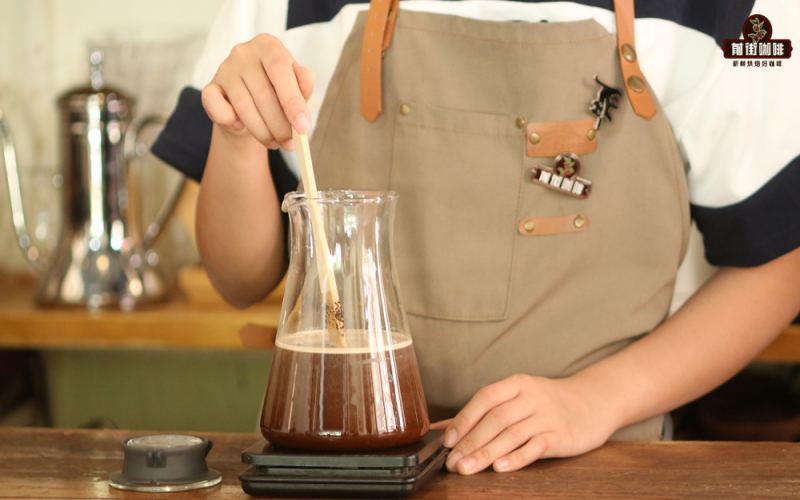
Cold brew coffee has swept across the United States in recent years. It is brewed with ice water or cold water, entirely at low temperatures, producing a clean cup that is low in acidity and bitterness, with a soft, sweet mouthfeel and fruity notes. Cold brew is strictly divided into the immersion style and the ice-drip style, but many people conflate the two. From the perspective of Front Street Coffee, this article sorts out the origins of cold brew coffee, the key points of water temperature and time, its differences from ice-drip coffee in extraction method and flavor layers, and recommendations for coffee beans suitable for making cold brew. Whether you prefer a rich, consistent cup or a bright, layered one, you can find the right one for you. [more…]
The Benefits and Brewing Method of Cold Brew Coffee: Coffee-to-Water Ratio, Flavor Characteristics, and Front Street Single-Origin Bean Recommendations
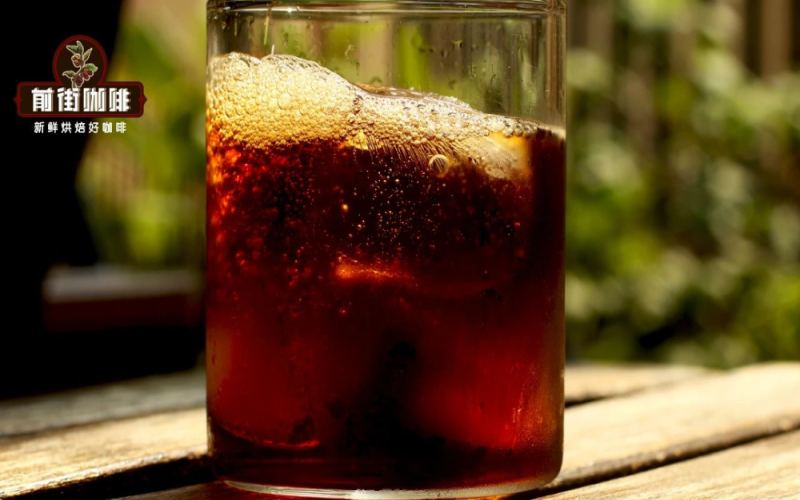
Cold brew coffee, with its refreshingly cool temperature and silky, full-bodied texture, has won the favor of more and more coffee lovers. Unlike hot brewing methods, cold brew involves steeping coffee grounds in cold or room-temperature water for an extended period, then refrigerating for 8 to 12 hours to complete the extraction. This method better preserves the unique aromas of the coffee beans themselves, while significantly reducing acidity and astringency, resulting in a fuller, cleaner taste. This article will systematically introduce the flavor characteristics, key production points, and coffee-to-water ratios of cold brew, recommend three Front Street single-origin coffee beans suitable for cold brewing, and provide a detailed analysis of the three major benefits and advantages of cold brew coffee in terms of caffeine content, acidity, and ease of preparation. [more…]
A Detailed Guide to Cold Brew Coffee Grounds-to-Water Ratios: Three Methods—Grind-and-Steep, Drip Bags, and Cold Brew Packs
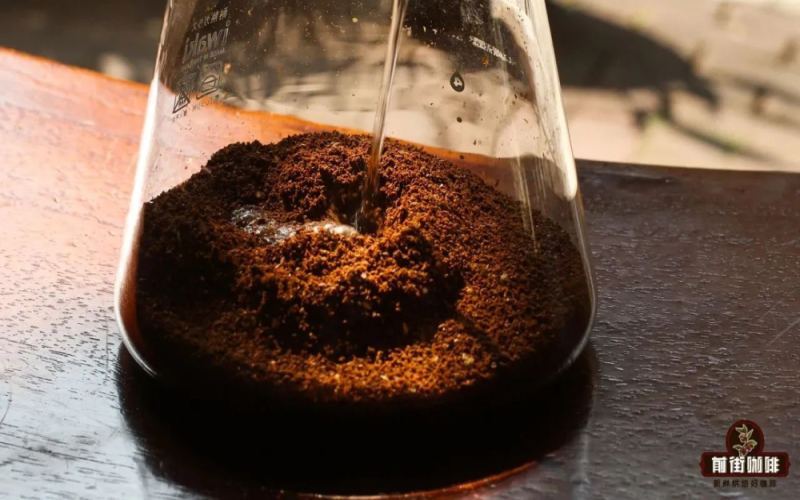
Cold brew coffee, with its simple preparation and smooth taste, has become a daily choice for many coffee enthusiasts. Whether at home or in the office, it can be made with ease. This article explores the extraction principles and flavor characteristics of cold brew coffee, focusing on the logic behind coffee-to-water ratios, and breaks down three brewing methods in detail: grinding coffee beans for direct cold brew, using drip bags for cold brew, and using cold brew bags. It also draws on several representative products from Front Street Coffee to offer specific parameter recommendations and step-by-step instructions, helping you make a smooth, clearly flavored cup of cold brew coffee under any conditions. [more…]
Cold Brew Single-Origin Coffee Bean Buying Guide | Which Beans Make the Best-Tasting Cold Brew at Home? Cold Brew Flavor Characteristics, Methods, Coffee-to-Water Ratio Parameters
For more specialty coffee knowledge, please follow our WeChat official account: Front Street Coffee (FrontStreet Coffee). Since cold brew coffee is made through a different process than regular hot-brewed coffee and needs to be prepared a day in advance, the cold brew sold at Front Street stores doesn't offer as wide a variety of coffee beans as pour-over. [more…]